



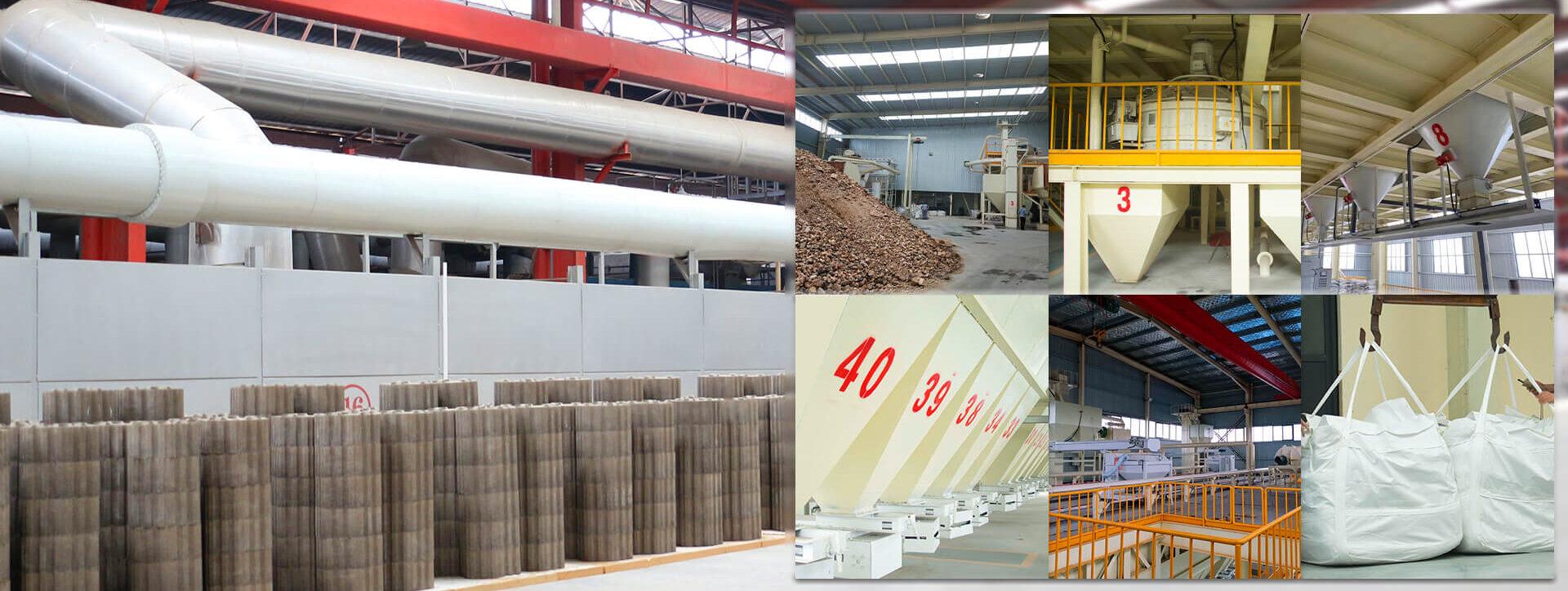
Dans les industries à haute température telles que la fabrication du verre, la production d’acier, les cimenteries et la métallurgie des métaux non ferreux, les matériaux réfractaires sont des composants critiques qui garantissent la fiabilité et la longévité des fours industriels. La qualité des produits réfractaires a un impact direct sur la performance du four, la stabilité opérationnelle, l’efficacité énergétique et, in fine, les coûts de production.
C’est pourquoi la réalisation d’un audit d’usine de réfractaires est une étape essentielle pour sécuriser des fournisseurs fiables et garantir que les matériaux répondent aux normes les plus élevées.
Des sociétés comme MXS Refractories sont spécialisés dans l’accompagnement des exploitants industriels grâce à des d’audits de fournisseurs de réfractaires, en les aidant à vérifier la qualité de fabrication, les capacités techniques et la maîtrise des procédés avant de s’engager dans d’importants contrats d’achat.
Un audit bien mené permet aux entreprises d’identifier les risques potentiels en amont et d’établir des partenariats à long terme avec des fabricants de réfractaires dignes de confiance.
Voici les éléments clés qui doivent systématiquement être évalués lors d’un audit de fournisseur de réfractaires.
1. Sélection et contrôle des matières premières
La qualité de tout produit réfractaire commence par les matières premières utilisées dans la fabrication.
Les matériaux réfractaires reposent sur des minéraux soigneusement sélectionnés tels que l’alumine, la zircone, la silice, la magnésie ou la chromite. La pureté et la constance de ces matières déterminent la performance finale du produit réfractaire.
Lors d’un audit d’usine de réfractaires, il est essentiel de vérifier :
- l’origine et la qualité des matières premières
- les procédures de qualification des fournisseurs
- les conditions de stockage des matières premières
- les processus de contrôle à réception des matières
Les fabricants de qualité exercent un contrôle strict sur leur chaîne d’approvisionnement en matières premières. Chaque lot doit être analysé quant à sa composition chimique et à ses impuretés avant d’entrer en production.
Pour des industries comme la fabrication du verre, où les réfractaires AZS électrofondus sont largement utilisés, même de faibles variations de la composition des matières premières peuvent affecter significativement la résistance à la corrosion et la durée de vie.
Une audit de fournisseurs de réfractaires réalisé par MXS Refractories comprend généralement un examen détaillé de la traçabilité des matières premières et des procédures d’analyse en laboratoire.
2. Maîtrise du processus de fabrication
Le deuxième aspect critique d’un audit d’usine de réfractaires est l’évaluation du processus de fabrication.
Les matériaux réfractaires peuvent être produits selon plusieurs méthodes, notamment :
- l’électrofusion
- le pressage et la cuisson
- le coulage par vibration
- le pressage isostatique
Chaque méthode de fabrication exige une maîtrise stricte du procédé pour garantir des propriétés matérielles constantes.
Au cours de l’audit, les experts doivent vérifier :
- le contrôle de la température pendant la fusion ou la cuisson
- la répétabilité du procédé
- les procédures d’étalonnage des fours
- les programmes de maintenance des équipements
Par exemple, dans la production de réfractaires électrofondus, la température de fusion et la vitesse de refroidissement influencent directement la microstructure du matériau. Une mauvaise maîtrise de ces paramètres peut entraîner des contraintes internes ou des défauts susceptibles de compromettre la performance du réfractaire dans les fours industriels.
Un audit fournisseur structuré mené par MXS Refractories évalue ces paramètres de production afin de confirmer que le fabricant maintient des procédés stables et répétables.
3. Contrôle qualité et essais en laboratoire
Un fabricant de réfractaires fiable doit disposer d’un laboratoire de contrôle qualité bien équipé.
Lors de l’audit du fournisseur de réfractaires, les auditeurs doivent examiner les procédures d’essai utilisées pour vérifier la qualité des produits.
Les essais de laboratoire typiques comprennent :
- l’analyse de la composition chimique
- mesure de la masse volumique apparente
- essai de porosité apparente
- l’essai de résistance à l’écrasement à froid
- la réfractarité sous charge
- les essais de résistance à la corrosion
Ces essais confirment que le matériau réfractaire répond aux spécifications techniques requises.
Il est également important de vérifier :
- l’étalonnage des équipements de laboratoire
- la fréquence des essais
- la qualification du personnel de laboratoire
Lorsque MXS Refractories réalise un audit fournisseur, une attention particulière est portée aux capacités du laboratoire. Des essais fiables garantissent que les produits réfractaires livrés aux sites industriels seront conformes à leurs spécifications.
4. Traçabilité de la production
La traçabilité est une exigence fondamentale dans les chaînes d’approvisionnement industrielles modernes.
Chaque produit réfractaire doit être traçable depuis les matières premières jusqu’au produit fini et à l’expédition finale.
Lors d’un audit d’usine de réfractaires, les auditeurs doivent vérifier le système de traçabilité du fabricant, notamment :
- les procédures d’identification des lots
- les enregistrements de production
- les certificats matières
- les pratiques de stockage et d’étiquetage
La traçabilité permet aux fabricants et aux clients d’identifier rapidement l’origine de tout problème si des défauts apparaissent pendant l’exploitation du four.
Sans traçabilité adéquate, le diagnostic des défaillances de réfractaires devient nettement plus difficile.
Pour les entreprises qui s’approvisionnent en matériaux réfractaires à l’international, la vérification de la traçabilité est l’une des étapes les plus importantes d’un audit de fournisseur de réfractaires mené par MXS Refractories.
5. Qualité dimensionnelle et finition
Outre les propriétés chimiques et mécaniques, les produits réfractaires doivent respecter de strictes les tolérances dimensionnelles.
Une précision dimensionnelle insuffisante peut créer des problèmes d’installation et affecter la stabilité du four.
Pendant l’audit, les inspecteurs doivent examiner :
- la conception et l’entretien des moules
- les procédés d’usinage
- les procédures de contrôle dimensionnel
- les méthodes de protection des emballages
Les blocs réfractaires utilisés dans les fours verriers, par exemple, doivent être fabriqués avec des tolérances extrêmement précises afin de garantir un assemblage correct et une bonne étanchéité du four.
Tout écart peut créer des interstices, entraînant des pertes thermiques ou une usure prématurée.
Une audit d’usine de réfractaires réalisé par MXS Refractories comprend une inspection détaillée des finitions de production et des procédures de qualité dimensionnelle.
6. Systèmes de management de la qualité
Un fabricant de réfractaires professionnel doit s’appuyer sur un système de management de la qualité structuré.
La plupart des fabricants réputés suivent des normes internationales telles que ISO 9001.
Lors d’un audit fournisseur, les éléments suivants doivent être vérifiés :
- des procédures qualité documentées
- des systèmes d’actions correctives
- des processus d’audit interne
- des initiatives d’amélioration continue
Les systèmes de management de la qualité garantissent la constance des processus de production et le traitement systématique de tout problème.
Cependant, la certification seule ne suffit pas. Un audit physique de fournisseur de réfractaires par des consultants expérimentés tels que MXS Refractories reste essentiel pour confirmer que les procédures sont effectivement appliquées dans l’atelier de production.
7. Expertise technique et support d’ingénierie
Enfin, l’audit doit évaluer l’ expertise technique et les capacités d’ingénierie du fournisseur.
Les matériaux réfractaires sont rarement des produits standard. Leur performance dépend fortement des conditions spécifiques du procédé industriel.
Un fournisseur fiable doit être en mesure de fournir :
- des recommandations techniques
- un support à la conception
- des conseils d’installation
- des analyses de défaillance si nécessaire
Ce partenariat technique est particulièrement précieux dans les industries où la performance des réfractaires influence directement la qualité des produits et la durée de campagne du four.
En évaluant ces capacités lors d’un audit de fournisseur de réfractaires, les entreprises peuvent s’assurer que leur fournisseur n’est pas seulement un fournisseur de matériaux, mais aussi un partenaire technique fiable.
Conclusion
Une audit d’usine de réfractaires est une étape critique pour sécuriser des fournisseurs fiables dans les industries à haute température.
En évaluant soigneusement les matières premières, les procédés de fabrication, les systèmes de contrôle qualité, la traçabilité, la précision dimensionnelle et l’expertise technique, les entreprises peuvent réduire considérablement les risques liés à l’achat de réfractaires.
Les fours industriels représentent des investissements majeurs, et les matériaux réfractaires jouent un rôle central dans leur performance et leur longévité.
Grâce à une approche structurée des d’audits de fournisseurs de réfractaires, des sociétés comme MXS Refractories aident les exploitants industriels à s’assurer que les matériaux installés dans leurs fours répondent aux normes de qualité et de fiabilité les plus élevées.
Dans un marché des réfractaires mondialisé, auditer ses fournisseurs n’est plus une option — c’est une stratégie essentielle de gestion des risques et d’excellence opérationnelle.