



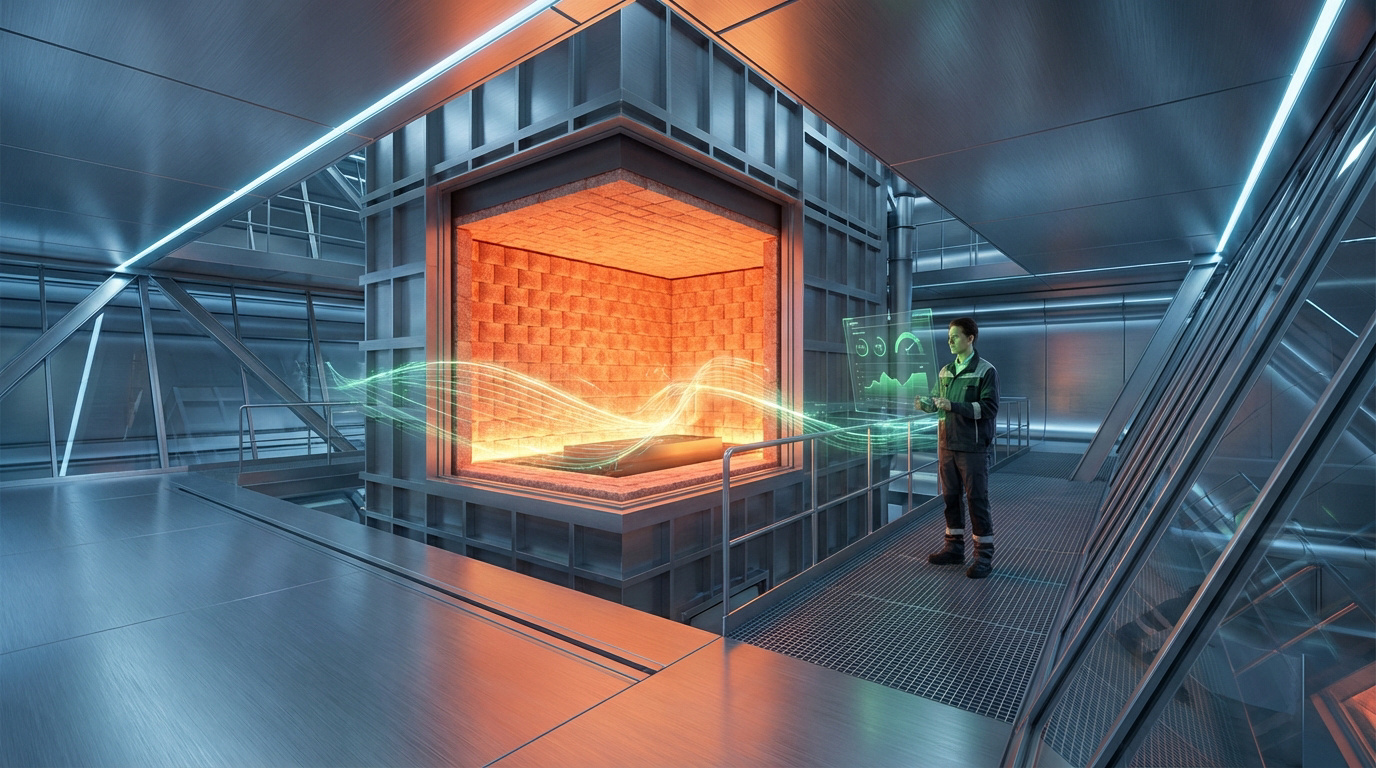
Key takeaway: the thermal performance of refractory materials is the strategic lever for reducing fuel consumption and stabilising operating costs. Adopting innovative technologies such as Sol-Gel bonding optimises durability while cutting CO2 emissions by 50% during dry-out. These solutions turn installations into profitable, environmentally responsible assets.
Are massive heat losses eroding the profitability of your installations? Industrial refractories and energy efficiency are inseparable when it comes to turning your furnaces into high-performance assets through rigorous thermal insulation. Discover how the strategic selection of innovative materials, such as sol-gel technology, reduces your operating costs while durably securing your production chain.
- Why refractories dictate your energy efficiency
- Technical criteria for optimal thermal performance
- 3 profitability levers for your installations
- Innovation and decarbonisation of heavy industry
Why refractories dictate your energy efficiency
Having framed overall industrial performance, it is time to tackle the thermal heart of your installations: the refractory lining.
Thermal insulation and reducing heat losses
The insulating role of bricks and castables is the first line of defence against waste. These materials keep the heat at the core of the process. They act as an indispensable thermal barrier.
High-performance insulation directly reduces fuel consumption. Losses through the walls fall drastically. This helps stabilise operating costs. It is a major lever for profitability and for energy savings against convection and radiation losses.
By limiting heat leakage, the installation gains in overall efficiency. The energy balance finally turns positive for the operator.
Holding setpoint temperatures and process stability
The thermal inertia of the materials guarantees consistent finished-product quality. A stable temperature prevents manufacturing defects. That is a mark of reliability for your customers.
Uniform heat distribution is essential in industrial furnaces. It eliminates cold spots that harm the process. The heat flow then becomes perfectly homogeneous.
Precise control makes it possible to optimise every production cycle. You gain full command of your production equipment.
Thermal stability also extends the life of the structures. The entire system benefits.
Technical criteria for optimal thermal performance
But having a thermal barrier is not enough; you still need to choose the right chemical components to withstand the aggression of your operating environment.
Chemical classification and material choice
Choosing between acidic, basic or neutral refractories depends on your slag. Each application calls for a specific chemistry. Incompatibility often leads to rapid destruction of the lining.
Bricks provide a rigid, long-lasting structure. Conversely, clays and castables allow fast local repairs. The technical compromise here is fundamental.
A precise analysis of the chemical environment prevents costly mistakes. It is the foundation of successful thermal engineering for your industrial refractories.
Every material has its own limits. You need to know them inside out.
Mechanical properties and shock resistance
Resistance to corrosion and chemical abrasion defines real-world longevity. Mechanical friction wears the walls prematurely. A hard material stands up better to material flows. It is an essential selection criterion.
Sudden temperature fluctuations often cause irreparable cracking. Résistance aux chocs thermiques is therefore vital. It preserves the physical integrity of the furnace throughout its cycles.
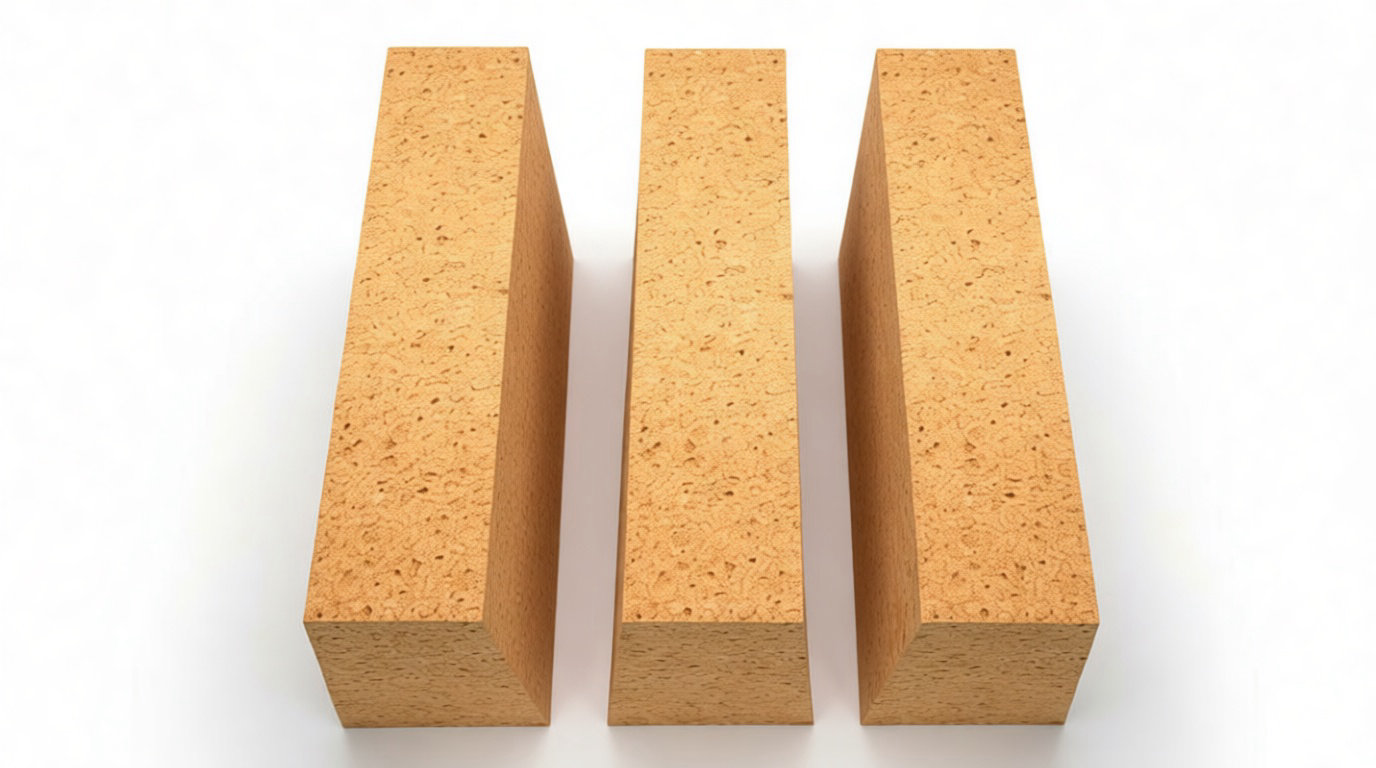
A lining that does not spall guarantees operator safety. Mechanical performance here converges with protecting people and strengthens the link between industrial refractories and energy efficiency.
3 profitability levers for your installations
Beyond materials physics, the financial dimension remains the crux of the matter for any industrial site manager.
Analysing operational return on investment
Investing in high-performance materials drastically reduces maintenance costs. The higher initial cost pays for itself quickly. Emergency interventions become far rarer.
Extending equipment service life generates massive financial gains. You avoid premature full relines. The plant’s overall profitability is strengthened as a result.
Less downtime means more sellable production. It is a simple but formidably effective calculation.
Thermal performance is an investment. It is never a mere expense. That is why we advocate the art of smart procurement for your assets.
Digital transformation and predictive maintenance
Digital wear monitoring is revolutionising lining management. Sensors measure the remaining thickness in real time. Failures are anticipated before they ever occur. Digital transformation becomes a concrete, powerful tool on the shop floor.
Integrating industrial refractories and energy efficiency into the wider supply chain optimises spare-part inventories. Components arrive just in time for the planned shutdown. You avoid tying up capital unnecessarily.
This data-driven approach secures the entire production chain. The plant gains agility and responsiveness in the face of the unexpected. We recommend using failure mode, effects and criticality analysis (FMECA) to make your processes more reliable.
Innovation and decarbonisation of heavy industry
Finally, let’s look to a future in which refractories no longer merely contain heat, but become active players in the ecological transition.
Sol-Gel technologies and cement-free linings
Drytech systems deliver superior mechanical strength compared with conventional solutions. They withstand extreme loads without failing. It is a major step forward for the harshest environments.
The absence of cement reduces the carbon footprint during the dry-out phase. Commissioning is also faster. You gain both time and environmental cleanliness.
These new materials also make refractory material recycling easier at end of life. The circular economy is finally entering the world of high temperatures. It is a necessary and long-awaited evolution.
Thermal storage and industrial heat batteries
Using conductive bricks makes it possible to store energy as heat. These thermal batteries capture surplus renewable electricity. The energy is then released as the process requires. It is a solution of the future for decarbonised industry.
Refractories thus play a key role in today’s energy transition. They stabilise grids fed by solar and wind power. Heat becomes an efficient storage vector.
Reusing waste heat recovery drastically improves the overall carbon balance. This approach turns lost calories into fuel for other critical energy needs.
Optimise your industrial energy efficiency now by insulating your installations with high-performance materials. These durable solutions stabilise your setpoint temperatures and cut your operating costs. Adopt these technical innovations to turn your thermal constraints into a lasting, decarbonised profitability lever.