



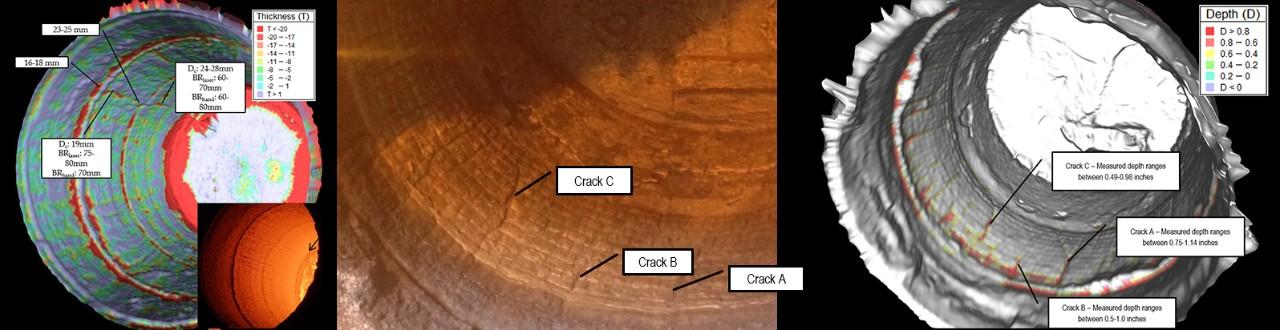
In Hochtemperaturindustrien wie der Glasherstellung, der Stahlproduktion, Zementwerken und der petrochemischen Verarbeitung sind Feuerfestmaterialien das unsichtbare Rückgrat der Industrieöfen. Diese Spezialmaterialien schützen die Anlagen vor extremen Temperaturen, chemischem Angriff und mechanischer Beanspruchung.
Doch trotz ihrer entscheidenden Rolle werden Feuerfestauskleidungen oft als selbstverständlich betrachtet – bis ein Ausfall eintritt.
Genau hier wird refractory inspection unverzichtbar. Die regelmäßige Inspektion von Feuerfestsystemen ermöglicht es Unternehmen, Degradation frühzeitig zu erkennen, die Prozessstabilität zu erhalten und die Lebensdauer der Öfen zu verlängern. Für Betreiber von Hochtemperaturanlagen ist die Einführung einer strukturierten Inspektionsstrategie eine der wirksamsten Maßnahmen zur Verbesserung der Betriebszuverlässigkeit.
Die entscheidende Rolle der Feuerfestmaterialien in Industrieöfen
Feuerfestmaterialien sind darauf ausgelegt, Temperaturen von oft über 1500°C, standzuhalten und dabei mechanische Festigkeit und chemische Stabilität zu bewahren.
Sie kommen in vielen Arten von Industrieanlagen zum Einsatz, darunter:
- Glasschmelzöfen
- Stahlpfannen und Wärmöfen
- Zementdrehöfen
- petrochemische Reaktoren
- Verbrennungsanlagen und thermische Prozessanlagen
Die Hauptfunktionen von Feuerfestauskleidungen sind:
- Schutz der Stahlkonstruktion des Ofens
- Erhalt der thermischen Effizienz
- Widerstand gegen Korrosion durch schmelzflüssige Materialien
- Gewährleistung stabiler Prozessbedingungen
Doch selbst die besten Feuerfestmaterialien degradieren mit der Zeit.
Hohe Temperaturen, chemische Reaktionen, Temperaturwechsel und mechanische Lasten schwächen die Feuerfeststruktur allmählich. Ohne regelmäßige refractory inspection, können diese Degradationsmechanismen unbemerkt fortschreiten, bis sie schwerwiegende Betriebsprobleme verursachen.
Aus diesem Grund setzen Unternehmen zunehmend auf unabhängige Inspektionsdienstleistungen für Feuerfestmaterialien wie jene von MXS-Refractories um den Zustand des Ofens zu überwachen und den Wartungsbedarf zu antizipieren.
Die Degradationsmechanismen von Feuerfestmaterialien verstehen
Um die Bedeutung der Inspektion zu erfassen, muss man verstehen, wie sich Feuerfestmaterialien im Betrieb verschlechtern.
Mehrere Mechanismen wirken typischerweise auf feuerfeste Auskleidungen ein.
Chemische Korrosion
In vielen industriellen Prozessen stehen Feuerfestmaterialien in Kontakt mit aggressiven chemischen Umgebungen.
Beispiele:
- geschmolzenes Glas, das Ofenblöcke angreift
- Schlacken, die in Stahlöfen mit Feuerfeststeinen reagieren
- alkalische Dämpfe, die die Auskleidungen von Zementöfen angreifen
Mit der Zeit können diese Reaktionen das Feuerfestmaterial auflösen oder schwächen.
Thermoschock
Schnelle Temperaturschwankungen können innere Spannungen in Feuerfestmaterialien erzeugen. Übersteigen diese Spannungen die Festigkeit des Materials, können sich Risse bilden.
Thermoschock tritt besonders häufig auf bei:
- der Inbetriebnahme des Ofens
- Abschaltzyklen
- plötzlichen Prozessstörungen
Mechanischer Verschleiß
In bestimmten Bereichen industrieller Anlagen sind Feuerfestmaterialien Abrieb durch bewegte Feststoffe, strömende Materialien oder mechanische Stöße ausgesetzt.
Strukturelle Ermüdung
Wiederholte Aufheiz- und Abkühlzyklen schwächen allmählich die innere Struktur der Feuerfestmaterialien. Dies kann schließlich zu Abplatzungen oder Materialablösungen führen.
Jeder dieser Degradationsmechanismen kann die Wirksamkeit der feuerfesten Auskleidung schrittweise verringern.
Ohne systematische refractory inspection, können frühe Warnzeichen unentdeckt bleiben.
Die industriellen Risiken eines Feuerfestversagens
Ein Feuerfestversagen tritt selten ohne Vorwarnung auf. Werden Warnzeichen jedoch übersehen, können die Folgen schwerwiegend sein.
Zu den häufigsten Risiken zählen:
Unerwartete Ofenabschaltung
Ein schweres Feuerfestversagen kann die sofortige Abschaltung des Ofens erfordern, um strukturelle Schäden zu vermeiden. In Branchen wie der Glas- oder Stahlproduktion kostet ein ungeplanter Stillstand mitunter Zehntausende oder sogar Hunderttausende Euro pro Tag.
Produktkontamination
In der Glasherstellung kann die Degradation der Feuerfestmaterialien Partikel in das geschmolzene Glas freisetzen.
Diese Einschlüsse können Fehler verursachen wie:
- Steine
- Blasen
- Schlieren
Dies beeinträchtigt direkt die Produktqualität und die Kundenzufriedenheit.
Energieverluste
Beschädigte feuerfeste Isolierung erhöht die Wärmeverluste und zwingt die Öfen, mehr Brennstoff zu verbrauchen, um die Betriebstemperaturen zu halten.
Sicherheitsrisiken
Schwere Feuerfestschäden können den Ofenmantel extremer Hitze aussetzen und so strukturelles Versagen oder gefährliche Arbeitsbedingungen verursachen.
Diese Risiken verdeutlichen, warum professionelle Inspektionsdienstleistungen für Feuerfestmaterialien für Hochtemperaturindustrien unverzichtbar sind.
Was umfasst eine professionelle Feuerfest-Inspektion?
Eine professionelle Feuerfest-Inspektion durch Spezialisten wie MXS-Refractories umfasst in der Regel mehrere technische Bewertungen.
Visuelle Inspektion
Ingenieure untersuchen sorgfältig die zugänglichen Feuerfestoberflächen, um Folgendes zu erkennen:
- Risse
- Abplatzungszonen
- Korrosionsbereiche
- Installationsfehler
Die visuelle Inspektion bleibt eine der wirksamsten Methoden zur Früherkennung von Schäden.
Temperaturanalyse
Mittels Infrarot-Thermografie lassen sich anormale Temperaturmuster am Ofenmantel erkennen.
Hotspots deuten häufig auf innere Feuerfestschäden oder ein Versagen der Isolierung hin.
Verschleißmessungen
Ingenieure können die Dicke der Feuerfestmaterialien in kritischen Bereichen messen, um die Verschleißraten zu bewerten.
Dies hilft, die verbleibende Lebensdauer der Auskleidung vorherzusagen.
Materialbewertung
In manchen Fällen können Feuerfestproben analysiert werden, um die Degradationsmechanismen zu verstehen.
Diese Analyse hilft, künftige Feuerfestspezifikationen zu optimieren.
Beurteilung der Installation
Eine unsachgemäße Installation kann die Leistung der Feuerfestmaterialien erheblich mindern.
Die Inspektion kann Folgendes überprüfen:
- Dehnungsfugen
- Verankerungssysteme
- Ausrichtung der Steine
- Gießqualität
Durch diese systematische Bewertung können Feuerfestspezialisten Probleme erkennen, bevor sie kritisch werden.
Wie die Feuerfest-Inspektion die Ofenleistung verbessert
Regelmäßige Feuerfest-Inspektionen bieten mehrere betriebliche Vorteile.
Verlängerte Ofenreise
Durch die frühzeitige Erkennung lokaler Verschleißstellen können Betreiber gezielte Reparaturen statt kompletter Neuzustellungen durchführen.
Dies verlängert die Ofenreise erheblich.
Verbesserte Energieeffizienz
Die Erhaltung der Feuerfestintegrität trägt dazu bei, die Dämmleistung zu bewahren und den Energieverbrauch zu senken.
Geringere Wartungskosten
Vorbeugende Wartung ist stets kostengünstiger als Notreparaturen.
Verbesserte Betriebssicherheit
Inspektionsprogramme verringern das Risiko katastrophaler Feuerfestversagen.
Die Bedeutung unabhängiger Feuerfest-Expertise
Eine der Herausforderungen im Feuerfestmanagement besteht darin, eine objektive technische Bewertung sicherzustellen.
Feuerfestlieferanten neigen naturgemäß dazu, ihre eigenen Produkte zu bewerben, was technische Entscheidungen mitunter beeinflussen kann.
Unabhängige Experten wie MXS-Refractories liefern unvoreingenommene technische Bewertungen, die sich ausschließlich auf Leistung und Zuverlässigkeit konzentrieren.
Ihre Expertise ermöglicht es Unternehmen:
- Feuerfestlieferanten objektiv zu bewerten
- die Materialqualität zu überprüfen
- Feuerfestspezifikationen zu optimieren
- Feuerfestinstallationen zu überwachen
Diese unabhängige Perspektive ist bei komplexen Ofenprojekten besonders wertvoll.
Wann sollte eine Feuerfest-Inspektion durchgeführt werden?
Eine Feuerfest-Inspektion sollte idealerweise in die gesamte Wartungsstrategie des Ofens integriert werden.
Typische Inspektionszeitpunkte sind:
- vor der Inbetriebnahme des Ofens
- während geplanter Stillstände
- nach anormalen Betriebsereignissen
- bei unerwarteten Temperaturschwankungen
- während langer Ofenreisen
Regelmäßige Überwachung ermöglicht es Ingenieuren, den Feuerfestverschleiß zu verfolgen und den Wartungsbedarf vorherzusehen.
Unternehmen, die regelmäßig auf die Feuerfest-Inspektionsdienstleistungen von MXS-Refractories zurückgreifen, erzielen oft deutlich längere Ofenlebensdauern.
Die Feuerfest-Inspektion als strategisches Wartungsinstrument
In modernen Industrieumgebungen verlagern sich Wartungsstrategien zunehmend von reaktiven Reparaturen hin zur vorausschauenden Wartung.
Die Feuerfest-Inspektion spielt eine Schlüsselrolle in diesem Wandel.
Durch die Kombination von Feldbeobachtungen mit technischem Fachwissen können Ingenieure besser verstehen, wie sich Feuerfestmaterialien unter realen Betriebsbedingungen verhalten.
Dieses Wissen ermöglicht es Unternehmen:
- das Ofendesign zu optimieren
- Feuerfestspezifikationen zu verbessern
- bessere Lieferanten auszuwählen
- operative Risiken zu reduzieren
Für Industrien mit Hochtemperaturanlagen ist die Feuerfest-Inspektion längst nicht mehr nur eine Wartungsmaßnahme.
Sie ist ein strategisches Instrument zur Verbesserung der industriellen Leistung.
Fazit
Industrieöfen arbeiten unter einigen der extremsten Bedingungen der Fertigungsindustrie. Die Feuerfestmaterialien, die diese Systeme schützen, sind ständig Hitze, chemischem Angriff und mechanischer Beanspruchung ausgesetzt.
Ohne regelmäßige Überwachung kann die Degradation der Feuerfestmaterialien zu schwerwiegenden Betriebsproblemen, Sicherheitsrisiken und kostspieligen Stillständen führen.
Die Einführung eines strukturierten, regelmäßigen Programms für refractory inspection ist unerlässlich, um Ofenversagen zu verhindern, Stillstandszeiten zu reduzieren und die Zuverlässigkeit zu verbessern. Erfahren Sie, wie MXS-Refractories die industrielle Leistung unterstützt. mit Experten wie MXS-Refractories ermöglicht es Unternehmen, Probleme frühzeitig zu erkennen, Wartungsstrategien zu optimieren und die Lebensdauer der Öfen zu verlängern.
In Hochtemperaturindustrien ist proaktives Feuerfestmanagement nicht nur gute Praxis, sondern ein Schlüsselfaktor für langfristige Betriebszuverlässigkeit und industrielle Effizienz.